Cultural identity grows from the stories, languages, customs, and shared experiences that give people a sense of belonging. It connects individuals to their communities and helps them understand their place in a wider world. Yet as lifestyles change and communities become more interconnected, some traditions receive fewer opportunities to be practiced and passed on.
Creative expression helps keep these connections alive. Through music, painting, dance, literature, craft, and film, people carry cultural knowledge into everyday life. These activities preserve memories while giving each generation space to interpret its heritage in meaningful ways.
Turning Cultural Memory Into Living Experiences
Historical records can document what a community once believed or practiced. Creative expression adds something different: the opportunity to experience aspects of that history through sound, movement, images, and objects.
A traditional song may preserve memories of migration, work, celebration, or loss. A woven pattern might reflect a region’s landscape or a family’s craft knowledge. A dance can communicate stories through gestures that performers learn by watching and practicing together.
The meaning of these works often becomes clearer through participation. When someone learns a craft from an older relative, they may also hear stories about where its materials came from, when it was used, and why particular details matter. The finished object carries only part of that knowledge; the process of making it carries the rest.
Keeping Languages and Local Stories in Use
Language is an important part of cultural identity, but preserving it requires opportunities to speak, hear, and create with it. Songs, poetry, plays, and storytelling provide those opportunities.
A poem written in a regional language can capture humor, emotion, and expressions that lose some of their meaning in translation. A theatrical performance can introduce younger audiences to familiar sayings and local legends. Family storytelling allows children to hear the rhythms and vocabulary of a language within a personal relationship.
Contemporary formats can extend this work. Short films, illustrated stories, podcasts, and recorded performances give creators more ways to share their languages. They also show that a heritage language can describe present-day experiences, including city life, friendship, technology, and changing family relationships.
Building Connections Between Generations
Cultural traditions depend on relationships between the people who know them and those who are learning.
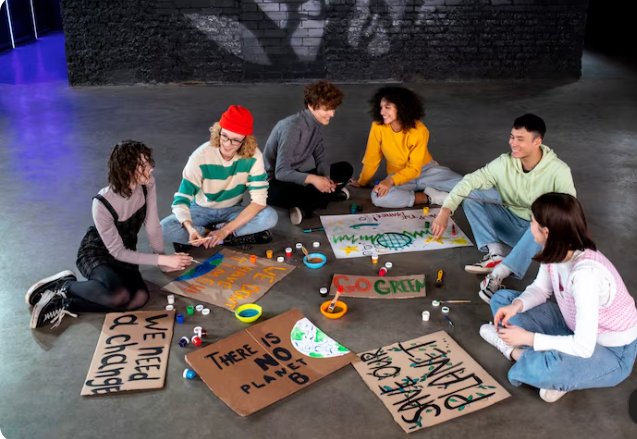
Creative activities can make that exchange natural. Preparing decorations for a festival, rehearsing a performance, or learning embroidery gives different generations a shared task. Questions and memories emerge as they work together.
Younger participants also contribute their own ideas. They may suggest a new presentation, document a technique, or combine familiar materials with a different design. When this exchange allows both teaching and experimentation, cultural learning can feel relevant and welcoming.
The aim is to develop understanding alongside skill. Knowing why a song is performed or what a symbol represents helps learners make thoughtful decisions about how to carry it forward.
Allowing Cultural Identity to Evolve
Preservation does not require every creative practice to remain unchanged. Cultural identity has room for continuity and invention.
A musician might bring a traditional instrument into a contemporary composition. A novelist may use family storytelling traditions to explore migration or belonging. A designer might adapt an inherited technique for objects used in modern homes.
These choices can help people maintain cultural connections within changing circumstances. Their value depends partly on how carefully creators engage with their sources. Learning the history, acknowledging teachers, and understanding whether particular elements have sacred or restricted meanings all support respectful adaptation.
Communities should have a voice in how their cultural expressions are represented, especially when others use them commercially.
Creating Belonging in Diverse Communities
Creative expression can be especially meaningful for people living far from their ancestral homes. Music, food traditions, visual art, and celebrations offer familiar experiences in unfamiliar surroundings.
For younger people growing up with several cultural influences, creativity provides room to explore a layered identity. Their work may reflect both family heritage and the society in which they live.
Public performances and exhibitions can also invite wider audiences into this conversation. When creators explain their work in their own words, audiences gain context beyond the appearance of a costume, object, or performance.
Supporting the People Who Carry Traditions
Cultural preservation requires practical support. Artists and craftspeople need places to work, opportunities to teach, fair payment, and interested audiences.
Schools can invite local practitioners to share their knowledge. Community organizations can provide rehearsal rooms and exhibition spaces. Individuals can attend performances, purchase work directly from makers, and learn about the traditions behind it.
Creative expression keeps cultural identity present through repeated acts of making, sharing, and learning. Each story told, song practiced, or craft taught gives cultural knowledge another place in modern life—and another person who can carry it forward.