
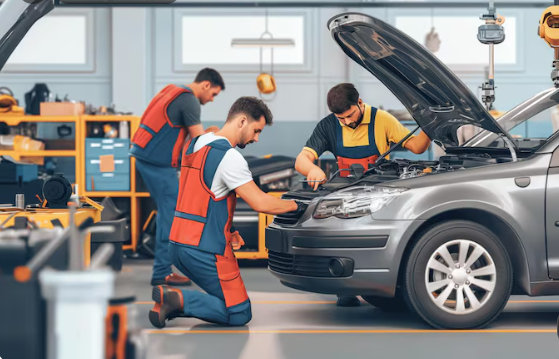
A vehicle’s lifespan depends on more than its age or mileage. How it is driven, maintained, and stored can significantly influence how well its components perform over time. Although every car experiences wear, regular attention can prevent small problems from developing into expensive failures.
Good maintenance starts with understanding your particular vehicle. Service requirements vary between petrol, diesel, hybrid, and electric cars, and even between models from the same manufacturer. Following the owner’s manual provides a reliable foundation for keeping a car in good condition.
Follow the Manufacturer’s Maintenance Schedule
The maintenance schedule explains when specific inspections, fluid changes, and component replacements are due. These intervals may depend on distance travelled, elapsed time, or information from the vehicle’s monitoring system.
A car driven infrequently still needs attention because some materials deteriorate with age. Likewise, frequent short journeys, dusty roads, heavy loads, and prolonged stop-and-go driving may require a different service schedule.
Keep a record of completed work, including dates, mileage, and the products or parts used. This helps prevent missed maintenance and makes recurring issues easier to identify.
Maintain the Engine Oil and Filter
For vehicles with an internal combustion engine, oil lubricates moving components and helps manage heat and contaminants. Over time, it becomes contaminated, and its protective additives deteriorate.
Change the oil and filter at the intervals specified for your vehicle. Use oil that meets the manufacturer’s required viscosity and performance specifications; choosing by brand or thickness alone is insufficient.
Check the oil level using the procedure in the owner’s manual. A noticeable drop between services, visible leakage, or an oil-pressure warning needs investigation. Continuing to drive with inadequate oil pressure can cause serious engine damage.
Give Tyres Regular Attention
Tyres influence braking, steering, comfort, and the load placed on other vehicle components. Incorrect pressure can cause uneven wear and affect handling.
Check pressures when the tyres are cold, using the recommended figures on the vehicle’s placard or in its manual. The pressure printed on a tyre’s sidewall is not the vehicle’s recommended operating pressure.
Inspect tyres for cuts, cracks, bulges, embedded objects, and uneven tread wear. Arrange wheel alignment checks if the car pulls to one side or develops unusual wear patterns. Rotate tyres where recommended, taking account of directional tyres or different front and rear sizes.
Keep the Cooling System in Good Condition
In combustion-engine vehicles, the cooling system helps prevent overheating and maintains appropriate operating temperatures. Some electric and hybrid vehicles also use coolant systems to regulate battery and electrical component temperatures.
Check coolant levels only as directed by the manufacturer, with the system cool. Never remove a pressurised coolant cap while the system is hot.
Use the specified coolant and replacement interval. Repeatedly topping up a low reservoir without finding the cause can allow a leak or another fault to worsen. Temperature warnings, steam, or unexplained coolant loss require prompt attention.
Inspect Brakes and Other Essential Fluids
Brake pads, discs, hoses, and related components need periodic inspection. Grinding, vibration during braking, a soft pedal, or a change in stopping performance should be assessed promptly.
Brake fluid also requires maintenance according to the vehicle’s schedule. A low fluid level can indicate pad wear or a leak, so simply adding more fluid may overlook the underlying issue.
Transmission, differential, and power-steering fluid requirements vary by vehicle. Some cars use electric power steering and have no power-steering fluid. Follow the relevant specifications and have systems without accessible checking points inspected professionally.
Replace Filters, Belts, and Wear Items on Time
An engine air filter helps keep contaminants out of the intake system. Replace it according to the service schedule, with additional attention when driving in dusty conditions. Cabin filters also need replacement to maintain airflow through the ventilation system.
Inspect accessible hoses and belts for deterioration during servicing. If the engine uses a timing belt, follow its replacement requirements carefully, including any age limit. A timing chain has different maintenance needs and should not be assumed to be free from potential problems.
Spark plugs and other model-specific service items also deserve attention at their prescribed intervals.
Monitor the Battery and Electrical System
A weak low-voltage battery can cause starting difficulties and electrical faults. Have it tested if the vehicle starts slowly or develops recurring battery warnings.
Keep terminals secure and have corrosion or damaged connections addressed. When replacing a battery, use the correct type and specification; some vehicles also require registration or coding of the replacement.
For electric vehicles and plug-in hybrids, follow the manufacturer’s guidance on charging and extended storage.
Drive Smoothly and Address Changes Early
Maintenance works best alongside considerate driving. Avoid repeated harsh acceleration, abrupt braking, and striking potholes at speed. After starting a cold engine, drive gently while it reaches its normal operating temperature, following the manufacturer’s instructions.
Pay attention to changes in sound, vibration, steering, fuel consumption, or performance. Warning lights should be interpreted using the owner’s manual, since some require immediate stopping while others call for a service appointment.
Regular cleaning also supports vehicle care, particularly where mud or road salt can accumulate underneath the car. Repair damaged protective finishes before corrosion spreads.
Extending a vehicle’s useful life comes from consistent, appropriate care. Following its service schedule, using the correct materials, and investigating problems early helps preserve reliability and makes long-term ownership more manageable.
Read more: Why Public Art Installations Are Transforming Modern Urban Spaces
1 comment