
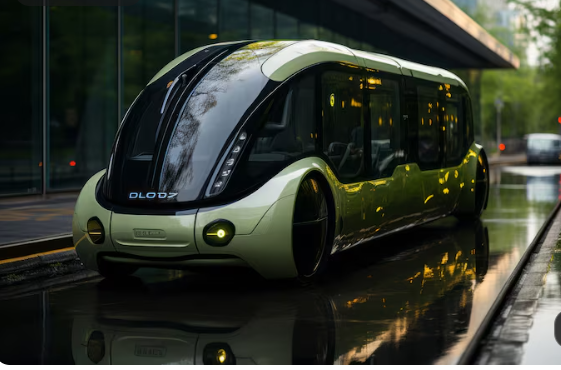
Transportation connects people with jobs, education, businesses, and essential services. Yet moving people and goods also requires energy, materials, and space. As communities seek cleaner air and more efficient ways to travel, the future of transportation will depend on improving both vehicles and the systems around them.
Energy-efficient cars are an important part of this transition. So are reliable buses, accessible rail networks, safe cycling routes, and neighborhoods that make everyday destinations easier to reach. Sustainable transportation brings these elements together, giving people practical choices while reducing the resources needed for each journey.
What Makes Transportation Sustainable?
Sustainable transportation considers the full impact of mobility. A vehicle’s fuel consumption matters, but so do the resources used to manufacture it, the source of its energy, its useful lifespan, and what happens when its components reach the end of their service.
Passenger capacity also changes the picture. A well-used bus can move many people with less road space per passenger than individual cars. Walking and cycling require very little operational energy, while rail can provide an efficient option along busy travel corridors.
The goal is to make movement cleaner, safer, accessible, and affordable. Achieving that requires more than replacing one type of engine with another.
Electric Vehicles and Efficient Energy Use
Electric vehicles offer an important efficiency advantage: electric motors convert a greater share of their supplied energy into movement than combustion engines. They can also recover some energy during braking and return it to the battery.
Battery electric vehicles produce no exhaust emissions while driving. Their overall environmental impact, however, depends on electricity generation, battery production, vehicle size, and lifetime mileage. Cleaner electricity improves their environmental performance, while larger and heavier vehicles generally require more energy and materials.
Future progress will therefore involve designing vehicles that use electricity carefully. Efficient motors, better thermal management, lower aerodynamic drag, and appropriately sized batteries can all contribute.
Better Batteries and Responsible Material Use
Battery development involves several competing priorities. Drivers want useful range, convenient charging, durability, and affordable prices. Manufacturers must also consider safety, weight, material availability, and production impacts.
Different battery designs may suit different tasks. A small urban vehicle does not necessarily need the same battery capacity as a delivery van or a car used for frequent long-distance journeys.
Long-term sustainability also depends on keeping batteries useful for as long as practical. Accurate condition assessments, repair options, and effective collection systems can support this goal. Recycling can recover valuable materials, although it requires energy and cannot eliminate the need for responsible sourcing.
A successful battery system includes what happens after the vehicle’s first owner finishes using it.
Making Charging Part of Everyday Life
Charging access strongly influences how convenient electric transportation feels. Drivers with dedicated parking may be able to charge while their vehicle sits overnight. Apartment residents and people who park on the street need other dependable options.
Workplace chargers, shared residential facilities, and charging along major routes can help serve different travel patterns. Reliability, clear pricing, accessible layouts, and straightforward payment are as important as the number of charging points.
Charging also needs coordination with the electricity network. Managed charging can shift some demand to suitable periods, helping reduce pressure during busy hours. The best approach matches charging speed and location to how vehicles are actually used.
Improving Efficiency Beyond the Powertrain
A vehicle’s energy consumption is shaped by much more than its engine or motor. Weight, shape, tires, climate control, and maintenance all affect how much energy it needs.
Lighter construction can reduce the effort required to accelerate. Aerodynamic design becomes especially valuable at higher speeds. Proper tire pressure and suitable replacement tires help vehicles operate as intended.
Comfort systems matter too. Heating or cooling a cabin uses energy, particularly in demanding weather. Better insulation and efficient temperature control can reduce that demand.
These improvements may appear modest individually, but together they help vehicles travel farther using the same amount of energy.
Public Transport and Better Urban Design
Cleaner personal vehicles cannot solve every transportation problem. They still require road space and parking, and they can remain caught in congestion.
Reliable public transport gives people another way to travel. Dedicated bus lanes, useful connections, accessible stations, and consistent service can make shared journeys more convenient. Safe walking routes help passengers complete the distance between a stop and their destination.
Land use is equally important. When homes, shops, schools, and workplaces are closer together, some journeys become shorter or unnecessary. Sustainable urban design can reduce transport demand while making daily life easier.
Matching Technology to the Journey
Different transport activities need different solutions. Battery electric systems can suit many passenger journeys and predictable delivery routes. Other demanding applications may require alternative approaches, depending on distance, payload, infrastructure, and operating conditions.
Each option should be judged by its full energy use and environmental impact. Producing a fuel, transporting it, and converting it into movement all require resources. A technology that works well for one task may be inefficient or impractical for another.
Building a More Practical Transport Future
The future of sustainable transportation will be shaped by how well these changes work together. Efficient vehicles need suitable energy infrastructure. Public transport needs dependable service. Walking and cycling need safe, connected routes.
Progress also depends on affordability, durability, and ease of use. People are more likely to adopt cleaner travel options when those options fit their routines. By combining thoughtful vehicle design with accessible transport networks, communities can make everyday movement more efficient and convenient.
Read more: The Growing Influence of Digital Art on Traditional Artistic Techniques