
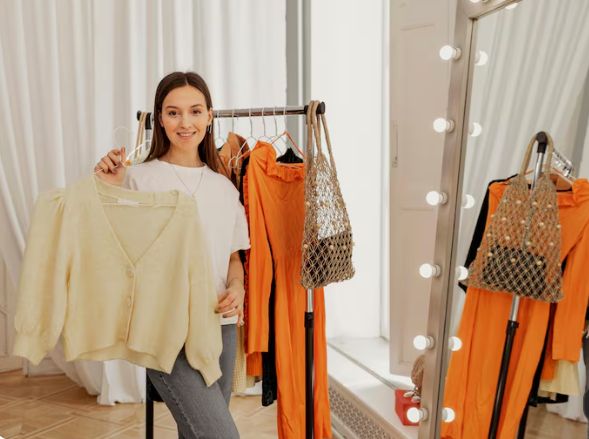
A versatile wardrobe makes getting dressed easier while leaving room for personal expression. It allows the same shirt, trousers, or jacket to work across different occasions through small changes in styling. Building one begins with understanding what you enjoy wearing and choosing clothes that work together.
Timeless clothing provides a useful foundation because its appeal does not depend entirely on a passing trend. However, timeless does not mean identical for everyone. Your climate, daily activities, preferred silhouettes, and sense of style should shape the pieces you keep.
Start with the Clothes You Already Wear
Before buying anything, examine your existing wardrobe. Look at the items you reach for repeatedly and identify what makes them useful. Perhaps you prefer relaxed trousers, comfortable knitwear, structured jackets, or dresses that need little styling.
Try creating several outfits from these favorites. Photograph combinations you like so you can revisit them on busy mornings. This exercise often reveals useful clothes that have been overlooked simply because they were stored separately or paired the same way for years.
Set aside items that need minor repairs or alterations. Replacing a missing button or adjusting a hem can return a garment to regular use without adding another purchase.
Define Timeless Clothing Through Your Lifestyle
A wardrobe should reflect how you actually spend your time. Someone who works in a formal office needs a different balance of clothing from someone who works outdoors or mostly dresses casually.
Consider your typical week and the occasions that occur regularly. Build around those needs before shopping for imagined events.
For example, a practical foundation might include well-fitting trousers, plain tops, a versatile shirt, an adaptable outer layer, and comfortable footwear. The exact versions can vary widely. A lightweight overshirt may be more useful than a heavy blazer in a warm climate.
Clothing becomes a lasting staple when it continues to serve your life.
Build a Color Palette with Room for Personality
Coordinated colors help garments work across more outfits. Start with two or three base colors you enjoy wearing, such as navy, charcoal, cream, brown, or olive. Then introduce a few complementary shades.
This approach does not require a neutral-only wardrobe. If burgundy, cobalt, or mustard appears frequently among your favorite clothes, it can become part of your foundation.
Repeated colors create connections between pieces. A patterned scarf containing both blue and rust, for instance, can bring together a blue shirt and rust-colored trousers.
When considering a new item, picture it with several things you already own. If it only works with another planned purchase, it may be less versatile than it first appears.
Choose Shapes That Work Together
Versatility depends on proportions as much as color. Tops, bottoms, and outer layers should fit comfortably together and create silhouettes you enjoy.
Try a shirt tucked in, loosely tucked, and untucked. Wear a cardigan open over a simple top, then button it as a standalone piece if its cut allows. Experiment with a longer jacket over straight trousers or a shorter layer over a flowing skirt.
There is no single correct formula. The purpose is to discover combinations that feel balanced to you.
Check practical details too. A beautiful sleeve may bunch beneath your usual jacket, while a bulky waistband may make layering uncomfortable. Trying pieces together helps reveal these limitations.
Use Layering to Create Different Outfits
Layering gives familiar clothes new roles. A dress can be worn beneath a sweater, a shirt can serve as a lightweight outer layer, and a sleeveless top can sit under a cardigan or jacket.
Vary texture to make simple combinations more interesting. Smooth cotton, soft knitwear, denim, and linen can add depth without relying on bold patterns.
Choose layers appropriate to the weather. Lightweight, breathable pieces may offer more flexibility in warm conditions, while colder weather may call for insulating layers that fit comfortably beneath a coat.
Each layer should contribute something useful, whether warmth, coverage, structure, or color.
Let Accessories Change the Mood
Accessories can shift an outfit without requiring a completely different set of clothes. The same trousers and shirt might feel relaxed with casual shoes and a canvas bag, then more polished with refined footwear and a structured bag.
A belt can define a waist or introduce another texture. Jewelry can add a recognizable personal detail. A scarf can bring color to a simple outfit or connect shades already present.
You do not need a large collection. A few accessories that suit your clothing and daily activities can provide plenty of variety.
Evaluate Quality Beyond the Price Tag
An expensive garment is not automatically durable, and a familiar fabric name does not guarantee good construction. Examine stitching, seams, fastenings, and how the garment hangs.
Consider whether the fabric suits its intended use and whether you can manage its care requirements. Clothes that require maintenance you are unlikely to provide may spend more time waiting to be cleaned than being worn.
Fit matters just as much. An affordable piece that fits comfortably and receives regular use can be more valuable to your wardrobe than an impressive purchase that stays untouched.
Add New Pieces with a Clear Purpose
Keep a short list of genuine wardrobe gaps. You might need shoes that work with several outfits or a layer suitable for changing temperatures.
Before purchasing, identify a few combinations the item would complete. Secondhand shops, clothing swaps, and alterations can also offer ways to fill a gap or explore a different style.
A versatile wardrobe develops through repeated wear and thoughtful adjustments. When your clothes fit your life, coordinate easily, and allow creative combinations, fewer pieces can offer more satisfying choices each day.
Read more: How Smart Vehicle Technology Is Improving Everyday Driving Experiences