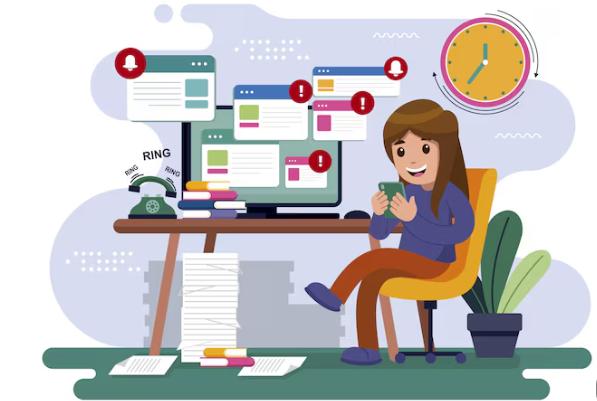
A quick message check can turn into several minutes of scrolling. An email notification can interrupt a difficult task just as an idea begins to take shape. By the end of the day, it is possible to feel busy while making little progress on the work that matters most.
Digital tools are essential to many daily activities, but their constant availability can make attention difficult to manage. Reducing distractions starts with creating clearer boundaries around when and how those tools are used.
Small, practical changes can make focused work easier without requiring you to disconnect completely.
Identify What Interrupts Your Work
Before changing your routine, notice where your attention goes. Digital distractions can come from social media, messaging apps, email, news feeds, or repeatedly checking work platforms.
For a few days, briefly record what pulls you away from a task. Note whether the interruption came from a notification or from your own decision to check something.
This distinction helps you choose an appropriate response. Unnecessary alerts require different changes from a habit of opening your phone whenever work becomes challenging.
Built-in screen-time reports can provide additional context, but time alone does not tell the whole story. Consider whether an activity supports your priorities or interrupts them.
Give Each Work Session a Clear Purpose
An unclear task makes switching to something easier especially tempting. “Work on the presentation” leaves several decisions unresolved. “Draft the opening three slides” provides a definite starting point.
Before beginning, decide what you intend to complete and gather the information you need. Break larger projects into actions that can be approached individually.
Keep a short list of priorities rather than treating every task as equally urgent. A clear next step reduces the need to search through messages or task lists whenever your attention drifts.
Make Notifications Selective
Notifications allow other people and applications to influence when you change focus. Review them individually and decide which genuinely require immediate attention.
You might keep calls from essential contacts while disabling promotional alerts, social media updates, and routine app badges. Focus or do-not-disturb settings can help manage these choices during particular activities.
Workplace expectations matter too. If your role requires quick responses, arrange focused periods around that responsibility and agree on a way to communicate urgent issues.
The aim is to make interruptions purposeful rather than automatic.
Check Messages at Deliberate Times
Email and messaging can spread across the entire day when there is no clear boundary around them. Where your responsibilities allow, choose suitable times to review and answer messages.
During a message-checking session, respond, schedule an action, or file the item as appropriate. Avoid repeatedly opening the same message without deciding what to do next.
You can also close the inbox while completing a demanding task. If necessary, tell colleagues when you will next be available and how to reach you for something urgent.
A communication routine works best when it is realistic for both your work and the people who depend on you.
Simplify Your Digital Workspace
A crowded screen creates competing invitations to switch tasks. Open tabs, unrelated documents, and visible message feeds can make it harder to stay with one activity.
Keep only the tools needed for the current task in view. Save useful articles or references somewhere you can return to later, then close them.
Separate browser profiles or workspaces may help distinguish different activities. Clear filenames and a simple folder structure can also reduce time spent searching.
You do not need a perfectly empty desktop. You need an arrangement that makes the next action easy to find.
Add Friction to Automatic Checking
When checking an app becomes habitual, a small obstacle can create a useful pause. Move distracting apps away from your home screen, sign out when finished, or remove unnecessary shortcuts.
During focused work, placing your phone somewhere out of reach can make picking it up a deliberate decision. Website blockers can also help during selected periods if you tend to reopen distracting pages automatically.
Choose restrictions that fit your actual difficulties. Blocking everything may interfere with legitimate work, while a targeted limit can address the specific behavior causing trouble.
Work in Manageable Blocks
A defined work period can feel more approachable than an open-ended demand to concentrate. Choose a duration that suits the task, then take a brief break before deciding what comes next.
There is no single ideal interval. Reading a complex document may require a different rhythm from handling administrative tasks.
Keep a small note nearby for unrelated thoughts. If you remember a purchase, question, or minor task, write it down instead of immediately opening another app.
During breaks, consider standing, stretching, getting water, or looking away from the screen. Opening an endless feed can make returning to work more difficult.
Make Meetings and Shared Tools More Useful
Digital distractions are not always personal habits. Unnecessary meetings, duplicate updates, and unclear requests can fragment an entire team’s day.
Use clear agendas and identify which decisions require discussion. Put essential information in an agreed location so people do not need to search across several channels.
When sending a request, include the desired action and relevant deadline. Clear communication reduces follow-up messages and helps others organize their attention.
Review Progress Without Expecting Perfection
At the end of the week, consider what helped you finish meaningful work. Look at completed tasks, avoidable interruptions, and whether your routine felt manageable.
If a rule repeatedly fails, adjust it. You may need a shorter focus period, a different communication window, or a clearer task definition.
Productivity is not measured by constant activity or perfect concentration. It develops through habits that make important work easier to begin, continue, and complete. By shaping your digital environment around those habits, you can give your attention a more deliberate direction.
Read more: The Importance of Preventive Health Checkups for Different Age Groups