
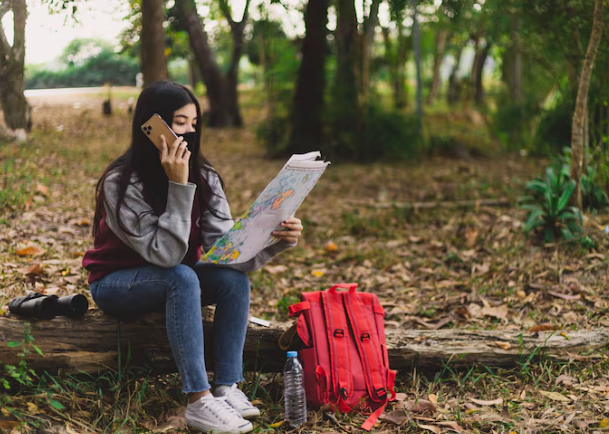
Exploring an unfamiliar destination brings the pleasure of discovering different landscapes, neighborhoods, and daily routines. It also involves practical decisions that can shape the entire experience. An inconvenient arrival, an overfilled itinerary, or poorly located accommodation can turn an exciting trip into an exhausting one.
Comfortable travel begins with understanding your priorities and planning around them. A few thoughtful decisions before departure can reduce uncertainty while leaving enough freedom to enjoy unexpected discoveries.
Define What a Comfortable Trip Means to You
Comfort means different things to different travelers. Some people enjoy walking throughout the day, while others prefer shorter outings with regular breaks. One traveler may value a quiet room above all else; another may prioritize easy access to restaurants and public transport.
Before booking, consider your usual energy levels, preferred pace, and tolerance for unfamiliar situations. Think about what has made previous trips enjoyable or tiring.
If traveling with others, discuss these preferences early. Agreeing on a general pace, budget, and balance of shared activities can prevent disagreements later.
Research the Destination Before Building an Itinerary
Start with the practical features of the destination rather than a long list of attractions. Understand how neighborhoods connect, where transport hubs are located, and how much travel different activities require.
Climate and seasonal conditions should influence your plans. The same walking route can feel very different in mild weather, heavy rain, or intense heat. Daylight hours can also affect how comfortably you move around.
Check current entry requirements, transport arrangements, and important visitor information through official sources before departure. Conditions can change, so verify essential details close to the trip rather than relying entirely on older articles or saved posts.
Choose Accommodation for Everyday Convenience
A lower room price may offer limited value if the location adds expensive journeys or lengthy commutes each day. Compare accommodation using the full experience of staying there.
Consider access to the places you expect to visit, nearby food options, and the journey from your arrival point. Check whether the property has features you need, such as a lift, air conditioning, accessible facilities, or luggage storage.
Read descriptions carefully and look for recent, specific reviews. Comments about noise, cleanliness, room access, and communication can be more useful than a rating alone.
Confirm arrival instructions, especially if you expect to reach the property outside normal reception hours.
Build an Itinerary Around Realistic Travel Times
An itinerary can look manageable on a map while being tiring in practice. Walking to a station, waiting for transport, finding an entrance, and taking breaks all add time.
Group activities by area where possible. Exploring nearby places together reduces unnecessary backtracking and gives you more time to enjoy each stop.
Choose a main activity for the day, then treat additional plans as flexible options. This creates a clear direction without turning every hour into a deadline.
Allow extra time after long journeys and before important departures. A comfortable margin can make small delays easier to handle.
Plan the First Day with Particular Care
Arrival is often the point when travelers feel least familiar with their surroundings and most tired. Preparing the first few steps can make a noticeable difference.
Know how you will leave the airport or station, where you will go, and what you will do if your room is not ready. Save the accommodation address and essential instructions somewhere accessible offline.
Keep the first day relatively light. A nearby meal, a short walk, and time to settle in may be more enjoyable than rushing straight into several major attractions.
This also gives you an opportunity to understand local distances and adjust later plans.
Create a Budget That Includes Small Expenses
Transport fares, snacks, luggage storage, entrance charges, and booking fees can accumulate. Include these costs when estimating the trip rather than focusing only on flights and accommodation.
Separate essential spending from optional activities. This makes it easier to change plans without feeling that the entire budget has been disrupted.
Keep some financial flexibility for practical needs, such as an alternative transfer or an unexpected overnight stay. Understand the fees and access conditions associated with your payment methods before relying on them abroad.
Pack for the Activities You Will Actually Do
Useful packing begins with your itinerary, expected weather, and access to laundry. Choose clothing that can be combined and layered rather than packing a separate outfit for every possibility.
Wear footwear you already know is comfortable. Carry a day bag that holds essentials without becoming cumbersome.
Keep important documents, necessary medication, and essential valuables accessible during transit. Check destination and transport rules for medications, batteries, liquids, and restricted items before packing.
A manageable bag makes stairs, transfers, and short walks considerably easier.
Prepare Offline Information and Backup Options
Digital tools are convenient until a battery runs low or a connection disappears. Download relevant maps and save booking confirmations, addresses, and essential contact details offline.
Have a practical backup for important arrangements. Know another way to reach your accommodation and keep key information somewhere other than a single device.
Share your itinerary with a trusted person where appropriate, and establish a simple way to check in during longer or more remote journeys.
Leave Room to Change Your Mind
Good travel planning supports decisions during the trip. It should allow you to rest, revisit a favorite place, or skip an activity that no longer appeals.
Review the next day’s plans briefly each evening and adjust them according to energy, weather, and what you have learned locally.
A comfortable trip grows from a balance of preparation and flexibility. When essential arrangements are clear and the schedule leaves breathing space, unfamiliar destinations become easier to navigate—and more rewarding to explore.
Read more: How Strategic Planning Helps Small Businesses Achieve Sustainable Growth