
Key Takeaways
- Small changes to the home can eliminate common trip-and-slip hazards.
- Lighting, supportive footwear, safe bathing setups, and clear walkways all matter.
- Strength, balance, medication reviews, and vision care can support safer movement.
- A check-in routine and a plan for getting help can protect independence when living alone.
Why Fall Prevention Deserves a Fresh Look
Living independently can be both practical and meaningful, but a familiar home can become harder to navigate when strength, vision, balance, medications, or daily routines change. Fall prevention is not about taking away freedom. It is about making everyday tasks, from getting out of bed to answering the front door, feel safer and more manageable.
Falls can lead to serious injuries, including hip fractures, and the CDC reports that older-adult falls contribute to about 300,000 hip fracture-related hospitalizations each year. A thoughtful home setup, regular health conversations, and reliable alarms for seniors can help someone living alone get assistance more quickly in an emergency. Adapting the home to changing needs can also help reduce preventable risks and support independence.
Start With a Room-by-Room Home Check
Walk through the home using the same routes taken every day. Pay special attention to the trip from the bedroom to the bathroom, the path through the kitchen, and the entrances used for mail, visitors, or trash removal. Look for loose rugs, electrical cords, stacks of papers, pet toys, low furniture, and uneven flooring.
Frequently used items should be stored where they can be reached without stretching, bending deeply, or climbing. Avoid standing on chairs, stools, or tables to reach shelves. A detailed room-by-room home safety review can make it easier to spot risks that are easy to overlook during normal routines.
Make the Bathroom Safer
Bathrooms deserve extra attention because water, smooth surfaces, tight turns, and low fixtures can create challenges. Install properly secured grab bars near the toilet and, where appropriate, inside or just outside the bathing area. Towel bars are not designed to support body weight and should not be used for balance.
- Use nonslip mats or strips designed for wet areas.
- Keep a night-light on for overnight bathroom trips.
- Dry the floor promptly after bathing or cleaning.
- Consider a shower chair, handheld showerhead, or raised toilet seat when standing or stepping over a tub wall is difficult.
Improve Lighting and Visibility
Dim rooms, glare, and sudden shifts between bright and dark spaces can make hazards harder to see. Add lighting at the top and bottom of stairways, near entrances, and along hallways. Motion-sensor lights can be useful in bedrooms, bathrooms, and closets because they reduce the need to search for a switch in the dark.
Keep a lamp, flashlight, or charged phone within reach of the bed. Replace burned-out bulbs promptly, and make sure light switches are easy to access before entering a dark room. Clear visibility is especially important around outdoor steps, walkways, and changes in surface height.
Review Shoes, Mobility Aids, and Walking Habits
Supportive shoes that fit well and have secure, non-slip soles are generally safer than loose slippers, worn footwear, or socks on smooth floors. Choose shoes that fasten securely and do not slide off at the heel. Keep pathways clear enough to use a cane or walker without needing to turn sideways or move furniture.
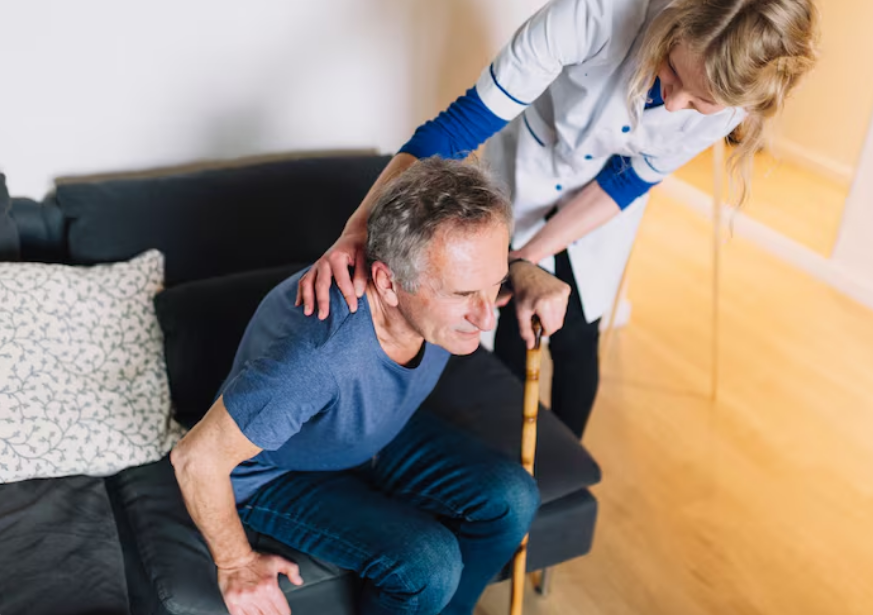
If a healthcare professional has recommended a cane or walker, use it as instructed. Stand up slowly after sitting or lying down, pause to regain balance, and keep both hands as free as possible while walking. Carrying a heavy laundry basket, several grocery bags, or a tall stack of items can block vision and make it harder to react to a stumble.
Add Strength and Balance Work to the Week
Regular movement can help maintain leg strength, flexibility, and balance. Walking, chair exercises, tai chi, and other balance-focused activities may be useful options when they match an individual’s ability and health needs. Start with short, realistic sessions, such as a gentle walk after lunch or seated leg exercises after breakfast.
Use a stable counter, sturdy chair, or another secure support when practicing balance exercises. Anyone returning to activity after an injury, illness, surgery, or major change in mobility should ask a healthcare professional which exercises are appropriate before starting.
Ask for a Medication and Vision Review
Some prescription and over-the-counter medicines can contribute to dizziness, drowsiness, or changes in blood pressure. Ask a doctor or pharmacist to review all medicines, including sleep aids, allergy products, supplements, and pain relievers. Do not stop or change a medication without professional guidance.
Regular eye exams and updated glasses can also help identify hazards sooner. Hearing changes may affect awareness of alarms, approaching vehicles, visitors, or activity in another room. Addressing these issues early can make daily movement feel more secure.
Build a Simple Check-In and Emergency Plan
A check-in plan offers support without requiring constant supervision. Choose one or two trusted people, decide whether a daily call or text makes sense, and agree on what should happen if a check-in is missed. Keep emergency contacts visible near the phone and saved in a mobile device.
- Share a current medication list, allergies, healthcare contacts, and preferred hospital information.
- Keep a charged phone nearby while moving around the home.
- Practice using an emergency button, smart speaker, or wearable alert device.
- Check batteries, charging routines, and signal coverage throughout the home.
Know What to Do After a Fall
After a fall, avoid getting up immediately. Take a moment to assess for severe pain, bleeding, confusion, a head injury, numbness, or an inability to move safely. Call emergency services if serious symptoms are present or if getting up safely is not possible.
Even when an injury seems minor, it is wise to discuss the fall with a healthcare professional. The event may reveal a medication issue, vision change, infection, balance concern, or home hazard that can be addressed before another fall happens.
Know When Extra Support May Help
Repeated falls, near-falls, new weakness, frequent dizziness, trouble bathing or dressing, missed medicines, or fear of walking around the home are all reasons to seek additional support. These signs do not automatically mean someone must move out. They may point to a need for a medical evaluation, physical therapy, a home safety assessment, family assistance, or local community services.
Conclusion
Fall prevention works best when it becomes part of everyday life. Clear pathways, safer bathing areas, better lighting, regular movement, updated health care, and a dependable emergency plan can help older adults continue living independently with greater confidence. For additional practical guidance, the steps that can help prevent falls and hip fractures offer a useful starting point for a conversation with a healthcare professional.
Read more : The Importance of Preventive Health Checkups for Different Age Groups