
Key Takeaways
- Changes in braking, steering, starting, acceleration, or ride quality can be useful early clues.
- Dashboard alerts should be checked against the owner’s manual because symbols vary by vehicle.
- Brake trouble, overheating, serious tire damage, fuel odors, and smoke may require stopping rather than continuing to drive.
- Monthly tire, light, and leak checks can help drivers spot visible issues early.
- A good repair conversation covers the cause, urgency, testing performed, options, and expected cost.
West St. Paul drivers deal with cold starts, potholes, slushy roads, and summer heat, all of which can reveal small vehicle problems before they become major repairs. A new sound, smell, vibration, or dashboard alert does not always mean an emergency, but it is a reason to pay attention and gather details.
When it is time to get answers, auto repair West St Paul options should include a shop that explains findings clearly. Signal Garage Auto Care is a family-owned local provider with a West St. Paul service page covering inspections, maintenance, diagnostics, and repairs, including brakes, batteries, cooling-system work, tire rotation, and wheel alignment for drivers in West St. Paul and nearby Twin Cities communities.
1. Why Small Signs Matter
Vehicles often give notice before a breakdown. The engine may crank more slowly, fuel use may rise, the ride may feel rougher, or braking may require more pedal effort. A faint brake squeal, for example, may be caused by several conditions, but noise that becomes grinding deserves prompt inspection. Addressing symptoms early can help prevent related damage and reduce the chance of being stranded during a commute or a longer Minnesota road trip.
2. How to Read Dashboard Warning Lights
Red alerts generally call for immediate attention, while yellow or amber alerts often mean the vehicle needs diagnosis soon. Service reminders usually relate to scheduled maintenance. A steady check-engine light can indicate a range of issues, but a flashing check-engine light may signal an active engine misfire that can damage emissions equipment. Check the owner’s manual and consider how the vehicle is running before deciding whether to continue.
The maintenance checklist from AAA also identifies brake changes, warning lights, tire-pressure alerts, and fluid leaks as issues worth addressing rather than postponing.
3. Brake Warning Signs to Take Seriously
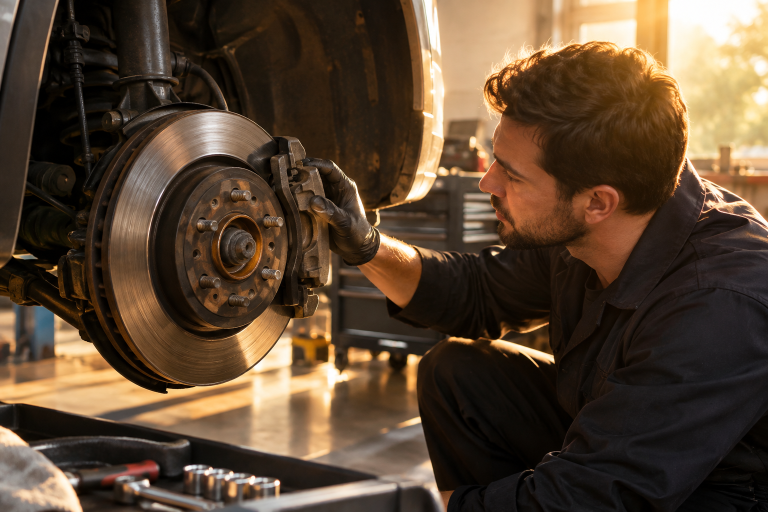
Squealing, grinding, pulling to one side, vibration through the pedal or steering wheel, and a soft or spongy pedal can all indicate brake-system concerns. Worn pads, uneven rotors, low brake fluid, or a sticking caliper can create overlapping symptoms, so noise alone cannot confirm the exact cause. A sudden change in stopping distance or pedal feel is not normal aging. Have the system inspected promptly, especially if the condition worsens.
4. Tire, Steering, and Suspension Clues
Uneven tread wear can be connected to improper inflation, wheel alignment, or worn suspension components. A steering wheel that shakes at speed, a vehicle that wanders, pulls, or clunks over bumps also warrants attention. Cold weather can lower tire pressure, so a tire-pressure warning may appear on a frigid West St. Paul morning even when the tire looked fine the day before.
Use the pressure listed on the driver’s door-jamb label, not the maximum pressure molded into the tire sidewall. The NHTSA’s tire safety guidance recommends checking tire pressure at least monthly when tires are cold, along with inspecting tread and looking for cuts, bulges, or other visible damage.
5. What Unusual Sounds and Smells May Mean
Timing provides valuable diagnostic context. A squeal at startup can differ from a squeal while braking. Clicking during turns may relate to a drivetrain component, while clunking over rough pavement can involve steering or suspension parts. Hissing after shutdown may be harmless cooling-system pressure release, but it should be noted if it accompanies overheating or a coolant odor.
Pay attention to burning rubber, a sweet smell that may be associated with coolant, gasoline odor, or a rotten-egg-like exhaust smell. Record when it happens, how often it occurs, whether the engine is cold or warm, and whether warning lights are on. Those details help a technician narrow down the cause.
6. Fluid Leaks and Overheating
A fresh puddle, wet residue, or recurring drip under the vehicle should not be ignored. Fluid color can offer a clue, but it does not identify the source by itself. Never open a hot radiator cap or pressurized coolant reservoir. If the temperature gauge approaches the red zone, an overheating message appears, steam comes from under the hood, or power drops sharply, pull over safely, shut the vehicle off, and arrange help if needed.
7. Simple Checks Drivers Can Do Safely
- Walk around the vehicle before a long trip.
- Check tire pressure when tires are cool.
- Look for a low tire, damaged sidewall, or embedded object.
- Test headlights, brake lights, turn signals, and hazard lights.
- Check oil and washer fluid as directed by the owner’s manual.
- Look beneath the vehicle for new wet spots.
- Write down warning lights, noises, smells, and driving conditions.
These checks can reveal useful clues, but they do not replace professional testing. Avoid working near hot, moving, or pressurized components.
8. How to Choose a Repair Shop
Clear communication matters. Ask what caused the problem, what testing supports the recommendation, which repairs are urgent, what can safely wait, and whether parts and labor are covered by a warranty. Request measured information when possible, such as brake-pad thickness, tire tread depth, or battery-test results. A written estimate and prioritized repair plan make it easier to decide what to do next.
9. When to Stop Driving and Request Help
Stop driving when there is visible steam, smoke, a strong fuel or electrical-burning smell, loss of braking power, a severe steering change, rapid fluid loss, or a tire bulge, exposed cord, or major sidewall damage. A flashing check-engine light also deserves immediate caution. Move out of active traffic if possible, use hazard lights when appropriate, and request roadside assistance if the vehicle cannot be moved safely.
10. A Simple Car Care Checklist
- Every drive: Notice new lights, sounds, smells, or handling changes.
- Each month: Check tires, lights, and visible leaks.
- Before long trips: Review tires, fluids, wipers, lights, braking behavior, and starting performance.
- At service visits: Ask for inspection results, repair priority, and maintenance records.
Common Questions
Can a car be safe to drive with the check-engine light on?
A steady light may allow a careful drive to a repair facility if the vehicle is operating normally, but the owner’s manual and vehicle behavior should guide the decision. A flashing light calls for faster action.
How often should tires be checked?
Check pressure and condition monthly, before long trips, and during sharp temperature changes.
What brake noise means the car should stop?
Grinding, severe scraping, a soft pedal, major vibration, or a sudden loss of stopping ability should be treated as urgent.
Why does a car smell sweet after driving?
A sweet odor can be associated with coolant, but the source needs to be confirmed because cooling-system leaks can occur in several locations.
Cars rarely provide a perfect diagnosis through one symptom, but they often provide useful warnings. Notice the change, document the conditions, and seek clear answers before a manageable concern becomes an urgent repair.
Read More : Funny Names For Vehicles For Cars You Love And Hate Daily!