
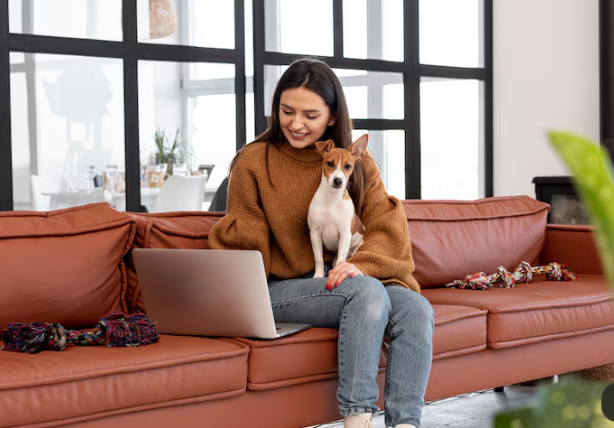
Indoor pets depend on their surroundings for much more than shelter. Their home is where they eat, rest, play, explore, and interact with the people around them. A thoughtfully arranged space gives them opportunities to do these things comfortably while reducing everyday hazards.
Creating that environment begins with understanding the animal. Cats, dogs, rabbits, birds, and other companions have different needs, and those needs can change with age, mobility, and temperament. A useful home setup combines suitable facilities with close observation of how each pet actually uses the space.
Look at Rooms From Your Pet’s Perspective
Household objects can look very different from floor level or from the top of a cabinet. A dangling cord may become something to pull, while a narrow opening behind furniture may invite exploration.
Walk through each accessible room and consider what your pet can reach, chew, climb, or knock over. Secure loose cables, store small objects, and keep cleaning products, medicines, and other potentially harmful substances in closed storage.
Check windows, balconies, and exterior doors for escape routes. Screens and barriers should be appropriate for the animal rather than assumed to be secure because they appear sturdy.
Revisit these checks after moving furniture or bringing new items home.
Provide Quiet Places to Rest
Pets need somewhere they can settle without constant interruption. Position beds, resting mats, or species-appropriate shelters away from busy walkways and noisy equipment.
Choice is helpful. A pet may prefer a sunny location at one time and a shaded retreat later. Cats may appreciate secure elevated resting places, while an animal with limited mobility needs comfortable options that are easy to reach.
Respect retreat spaces. Household members and visitors should understand that a resting pet does not always want interaction. Giving animals control over when they approach can make shared living more comfortable.
Arrange Feeding and Toileting Areas Thoughtfully
Food, water, and toileting facilities should be accessible and suited to the species. Place them where pets can use them without being cornered or repeatedly disturbed.
In homes with several animals, watch for competition. One pet may quietly prevent another from reaching a bowl, resting place, or toilet area. Providing separate resources in different locations can help reduce these conflicts.
Clean bowls and toileting areas regularly, and choose surfaces that are practical to maintain. Avoid placing essential facilities where a closing door could accidentally block access.
An orderly arrangement also makes changes in everyday habits easier to notice.
Make Room for Natural Behaviors
A safe environment should also offer meaningful activity. Different animals need different opportunities: climbing, scratching, digging, chewing, foraging, or exploring.
For cats, stable climbing furniture and suitable scratching surfaces can provide useful outlets. Dogs may enjoy supervised games and activities that involve searching. Other species need enrichment designed around their particular behavior and housing requirements.
Select items appropriate to the animal’s size and chewing habits. Inspect them for damage, remove broken pieces, and supervise unfamiliar activities.
Rotate a small selection of suitable items instead of continually adding more. Observe which activities your pet chooses rather than relying on how attractive a toy looks to a person.
Create Comfortable Routes Around the Home
Slippery floors, awkward furniture arrangements, and difficult jumps can make movement less comfortable, especially for older animals or those with mobility limitations.
Keep frequently used routes clear. Secure rugs or mats where appropriate, and consider whether essential resources can be reached without stairs or jumping.
Any ramps, platforms, or climbing structures should be stable and suitable for the intended user. Avoid arrangements where an animal can become trapped behind furniture or unable to return safely from a high surface.
Small adjustments can make familiar rooms easier to navigate.
Manage Noise and Household Activity
Vacuum cleaners, loud entertainment systems, visitors, and renovation work can disrupt a pet’s usual surroundings.
Provide access to a quieter area during noisy activities. Introduce new equipment or furniture gradually where possible, allowing the pet to investigate without being forced closer.
Predictable routines can also help household activities feel familiar. Feeding, play, and rest do not need to follow an exact minute-by-minute schedule, but a reasonably consistent pattern gives the day structure.
When changes are unavoidable, preserve familiar resting places and routines where practical.
Choose Decorations With Pets in Mind
Before bringing plants, fragrances, ornaments, or seasonal decorations into a pet-accessible area, check their suitability for the species.
Keep fragile objects stable and inaccessible. Store ribbons, string, craft materials, and similar items after use. Consider how decorations might behave if pulled, chewed, or knocked over.
Visitors may also bring bags containing food or medicines. Offering a closed storage space helps prevent pets from investigating unfamiliar belongings.
Let Observation Guide Improvements
A comfortable home develops through everyday attention. Notice where your pet rests, which spaces it avoids, and whether it can reach resources easily. Persistent hiding, conflict between animals, or a sudden change in behavior deserves attention and may warrant veterinary advice.
Review the setup as your pet grows older or household circumstances change. Secure surroundings, suitable enrichment, accessible resources, and opportunities for undisturbed rest provide a strong foundation for indoor life. The aim is a home where pets can participate, retreat, and behave naturally within a well-managed space.
Read more: Exploring the Future of Smart Devices and Connected Living Environments