
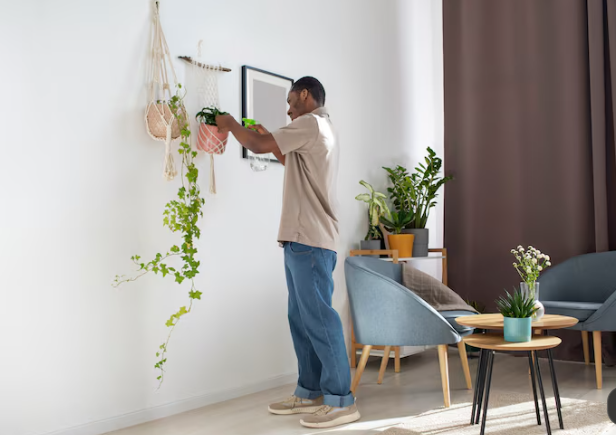
A comfortable home makes everyday activities feel easier. There is somewhere inviting to sit, enough light to read, and space to move without navigating around furniture. Decorative details add character, but comfort often begins with how a room supports the people using it.
Creating this environment does not require a complete renovation or an expensive collection of furnishings. Rearranging existing pieces, adjusting lighting, and introducing a few useful accessories can make a noticeable difference. The best starting point is understanding what feels inconvenient or unwelcoming in the space.
Arrange Furniture Around Daily Activities
Furniture placement influences how naturally a room works. A beautiful arrangement can become frustrating if it blocks a doorway or places a table beyond comfortable reach.
Start by identifying the room’s main activities. A living room used for conversation needs seating that allows people to face one another. A reading corner needs a comfortable chair, suitable lighting, and somewhere to place a book or drink.
Keep frequently used routes clear, particularly between entrances and seating areas. In a spacious room, moving furniture slightly away from the walls can help create a more connected seating arrangement. In a smaller room, removing an unnecessary piece may improve comfort more than adding another accessory.
Try a new layout before purchasing furniture. Existing pieces may work better in different positions.
Build Lighting in Layers
A single ceiling light can leave a room feeling overly bright in one area and dim in another. Combining several light sources gives you more control over the atmosphere.
Use general lighting for moving around, task lighting for reading or preparing food, and smaller lamps to illuminate selected corners. Position lights where they serve an actual purpose.
Shaded lamps can soften the appearance of a seating area, while adjustable fixtures make it easier to direct light where needed. Check for glare on screens and uncomfortable brightness at eye level.
During the day, make use of available natural light. Keep window areas reasonably clear and choose curtains that provide the privacy and light control your household needs.
Add Texture Through Useful Fabrics
Soft furnishings introduce both comfort and visual interest. Cushions, throws, curtains, and rugs can make a room feel more welcoming without changing its basic structure.
Choose fabrics according to how the space is used. A frequently used family sofa may benefit from washable covers, while a lightweight throw can be easier to manage than a bulky decorative blanket.
Mix a few textures rather than relying on elaborate patterns. A woven cushion, a smooth cotton cover, and a textured rug can add variety within a simple color palette.
Keep practicality in mind. Cushions should leave enough room to sit comfortably, and rugs should lie flat and remain secure underfoot.
Use Color With the Whole Room in Mind
Color choices work best when considered alongside flooring, furniture, and available light. A paint shade that looks appealing on a sample card may appear different across a large wall.
Test samples in several places and observe them at different times of day. Notice how they relate to existing materials rather than selecting them in isolation.
For an easy update, repeat a few colors through smaller items such as cushion covers, artwork, or a lampshade. This can bring consistency to a room without requiring everything to match.
Personal preference matters. Some people enjoy pale, understated rooms, while others feel comfortable surrounded by deeper colors. Choose combinations you enjoy living with.
Reduce Clutter Through Convenient Storage
A room becomes easier to use when everyday belongings have accessible places. Storage should fit household habits rather than depend on constant tidying.
Place a tray near the entrance for keys, a basket beside the sofa for blankets, or a small organizer where paperwork tends to collect. Closed storage can contain practical items, while open shelves can display a smaller selection of books and objects.
Avoid filling every available surface. Leaving space on a table makes it useful for a cup, a meal, or an activity. Decorating becomes more effective when it preserves these everyday functions.
Introduce Personal Details Gradually
Photographs, artwork, handmade objects, and familiar books help a home reflect its occupants. Their meaning often contributes more character than a large collection of coordinated accessories.
Group related items so they feel intentional. A few framed photographs on one shelf may have more presence than many small frames scattered throughout the room.
Display pieces at a scale that suits their surroundings. Before hanging artwork, experiment with its position and check how it looks from the places where people normally sit or stand.
Leave room for the home to develop over time. Personal spaces do not need to look finished immediately.
Pay Attention to Small Sources of Discomfort
Some of the most useful decorating changes address details that are easy to overlook. A wobbly side table, an awkwardly placed lamp switch, or a curtain that catches on furniture can repeatedly interrupt daily life.
Sit in each commonly used area and notice what is missing. You might need a footstool, a reachable surface, better shade, or a clearer view across the room.
A comfortable living environment grows from these practical observations. When furniture, lighting, textures, and personal belongings work together, a home becomes both appealing and pleasant to use. Small, thoughtful adjustments can make that difference without changing everything at once.
Read more: The Art of Creating Balanced Meals Without Complicated Recipes
1 comment