
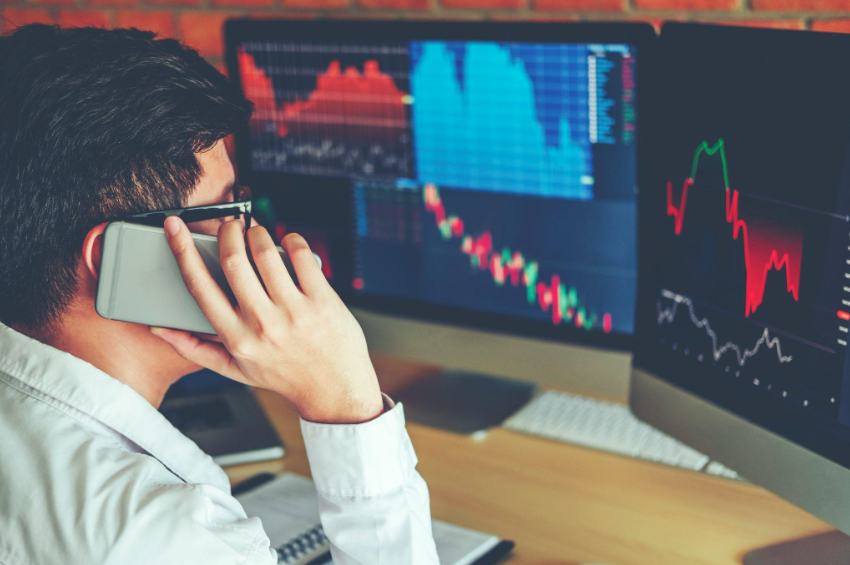
Understanding market volatility is essential for anyone participating in financial markets, particularly those dealing with commodities. Prices of gold, silver, crude oil, natural gas, and agricultural products can change rapidly due to economic conditions, global events, supply shortages, and changing demand. In commodity market trading, these price movements create both opportunities and risks. Having a clear understanding of volatility helps market participants make informed decisions, manage potential losses, and develop strategies based on actual market conditions rather than emotions or assumptions.
Understanding Market Volatility in Commodity Markets
Market volatility refers to the frequency and extent of price movements within a particular period. When commodity prices change sharply within a short time, the market is considered highly volatile. In contrast, smaller and more predictable price movements indicate relatively low volatility.
Several factors contribute to these changes:
- Supply and Demand: Changes in production, consumption, and inventory levels can influence commodity prices.
- Global Economic Conditions: Inflation, interest rates, currency movements, and economic growth can affect demand for different commodities.
- Political and Geopolitical Events: Trade restrictions, international conflicts, and government policies can interrupt supply chains and create uncertainty.
- Weather Conditions: Droughts, floods, storms, and seasonal changes can affect agricultural production and energy supplies.
For anyone involved in commodity market trading, understanding these factors provides a stronger foundation for interpreting market movements and evaluating potential opportunities.
Major Factors That Influence Commodity Price Volatility
Commodity prices are influenced by several interconnected developments. Unlike some financial assets, physical commodities are closely connected to production, transportation, storage, and consumption.
1. Global Supply And Demand Changes
The balance between supply and demand plays a major role in determining commodity prices. When demand increases while production remains limited, prices may rise. Similarly, excess supply can put downward pressure on prices. For example, increased industrial activity may raise demand for energy and metals. Meanwhile, production disruptions can reduce availability and create sudden price movements.
2. Economic Announcements And Market Developments
Economic reports provide important information about market conditions. Inflation figures, employment data, central bank decisions, and manufacturing reports can influence commodity prices. A commodity trader who follows relevant economic announcements can better understand why prices are moving and prepare for periods of increased uncertainty.
3. Currency Fluctuations
Many internationally traded commodities are priced in US dollars. Therefore, changes in the dollar’s value can influence commodity prices for buyers using other currencies. Currency movements may also affect investment demand for assets such as gold.
Tools That Help Analyse Commodity Market Volatility
Analysing volatility requires more than observing whether prices are rising or falling. Traders can use different market analysis tools to understand price behaviour and identify changing conditions.
- Price Charts: Historical and live charts help identify price trends, support and resistance levels, and sudden market movements.
- Technical Indicators: Tools such as the Average True Range (ATR), Bollinger Bands, and moving averages help assess volatility and changing market momentum.
- Economic Calendars: These provide information about upcoming economic announcements and events that may influence commodity prices.
- Market News: Following global business developments, production reports, and geopolitical updates helps explain the reasons behind price fluctuations.
These tools can support a commodity trader in developing a more structured market analysis process. However, indicators should not be treated as guarantees of future price movements. Combining technical information with fundamental research provides a broader understanding of market conditions.
Risk Management During Volatile Market Conditions
Risk management becomes particularly important when commodity prices experience unexpected changes. Even a well-researched trading decision can produce losses when market conditions change suddenly.
Some practical risk management approaches include:
- Set Stop-Loss Levels: A stop-loss order can automatically close a position when the market reaches a predetermined price. However, execution prices may differ during periods of significant market gaps.
- Control Position Size: Avoid taking positions that expose too much trading capital to a single market movement.
- Understand Leverage: Leveraged trading can increase market exposure, but it also magnifies potential losses. Traders should understand margin requirements before opening positions.
- Maintain Trading Discipline: Follow a defined strategy instead of making impulsive decisions during sudden price movements.
A responsible commodity trader should also review existing positions regularly and adjust risk exposure when market conditions change. In commodity market trading, protecting available capital is just as important as identifying potential opportunities.
Common Mistakes During High Market Volatility
Volatile markets can create pressure to act quickly. However, emotional decisions and insufficient preparation can lead to avoidable losses.
Some common mistakes include:
- Following Market Hype: Making decisions based on rumours or unverified information can result in poorly timed trades.
- Ignoring Fundamental Factors: Relying only on price charts without understanding supply, demand, and economic developments may create an incomplete market view.
- Overtrading: Opening too many positions in response to frequent price changes can increase exposure and trading costs.
- Using Excessive Leverage: Taking larger positions than the available capital can comfortably support increases financial risk.
Avoiding these mistakes helps a commodity trader maintain a more consistent approach. It also reinforces the importance of patience, research, and preparation when dealing with unpredictable markets.
Building a Consistent Approach to Changing Markets
Successful participation in commodity markets requires continuous learning and the ability to adapt to changing conditions. Volatility should be treated as an important part of market analysis rather than something that can always be predicted or avoided.
Traders can improve their approach by:
- Reviewing Trading Performance: Analyse previous decisions to understand what worked and where improvements are needed.
- Practising Different Strategies: Use demo accounts to understand how different approaches perform under changing market conditions.
- Staying Informed: Follow reliable economic reports, commodity-related news, and global developments.
- Setting Realistic Expectations: Recognise that not every market movement offers a suitable trading opportunity.
A structured approach to commodity market trading encourages better decision-making and helps participants remain focused on their long-term trading objectives.
Conclusion
Understanding market volatility helps traders make informed decisions amid changing economic conditions and global supply-demand trends. A commodity trader must assess price movements carefully rather than react emotionally. Baazex provides access to commodity CFD markets, including metals, energy, and agricultural products. They offer digital trading platforms, charting tools, price alerts, and demo accounts for practice. Their resources help traders explore different instruments and market conditions. However, leveraged trading involves significant financial risks.
Read more : Why Software Automation Is Becoming Essential for Business Productivity